
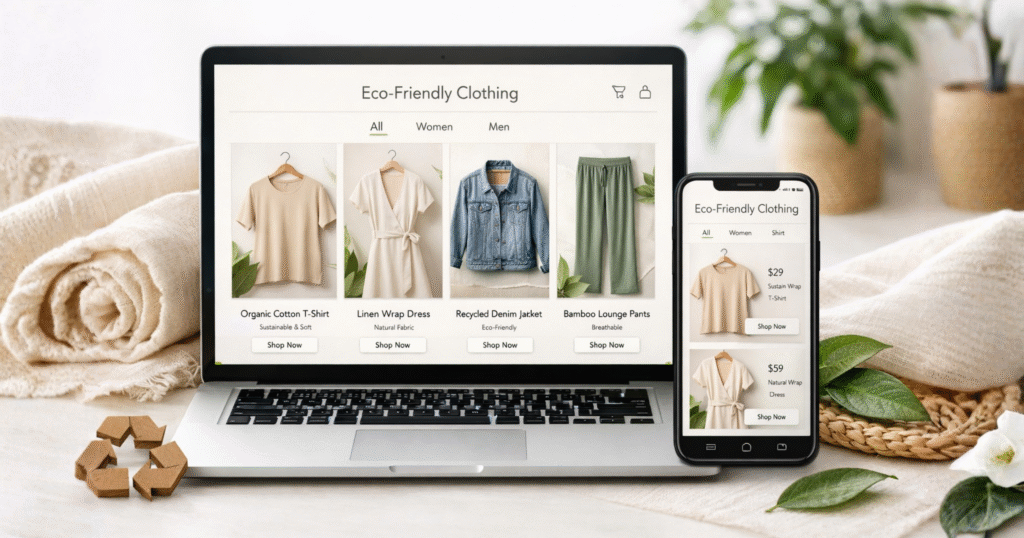
The American fashion landscape is experiencing a seismic shift. As consumers become increasingly conscious of their environmental footprint, the question is no longer whether sustainable fashion is the future of online clothing in the US, but rather how quickly this transformation will occur. From coast to coast, a growing movement is challenging the fast fashion status quo and reimagining what it means to build a conscious wardrobe in the digital age.
The Environmental Wake-Up Call
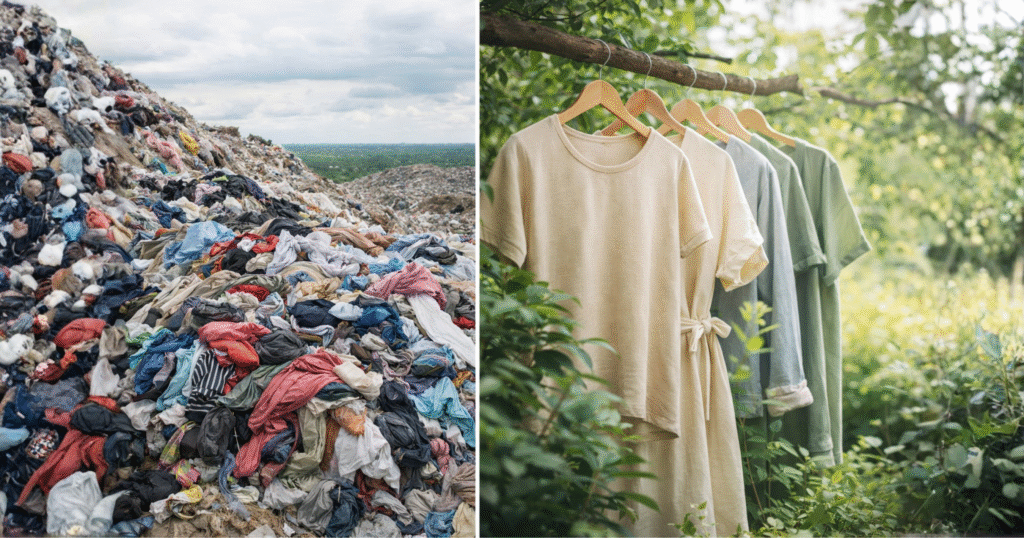
For decades, the fashion industry has operated under a model of excess: overproduction, rapid trend cycles, and disposable clothing that ends up in landfills within months of purchase. The statistics are staggering: the fashion industry produces 10% of global carbon emissions and remains the second largest consumer of water worldwide. In the United States alone, approximately 11.3 million tons of textile waste end up in landfills each year, with the average American throwing away about 81 pounds of clothing annually.
This unsustainable trajectory has sparked a revolution. Understanding why sustainable fashion is the future of online clothing in the US requires examining the convergence of environmental necessity, technological innovation, and shifting consumer values. American shoppers, particularly millennials and Gen Z, are demanding transparency and accountability from brands. They’re asking hard questions about where their clothes come from, who made them, and what happens to them after they’re discarded.
The Digital Advantage: E-Commerce as a Catalyst for Change
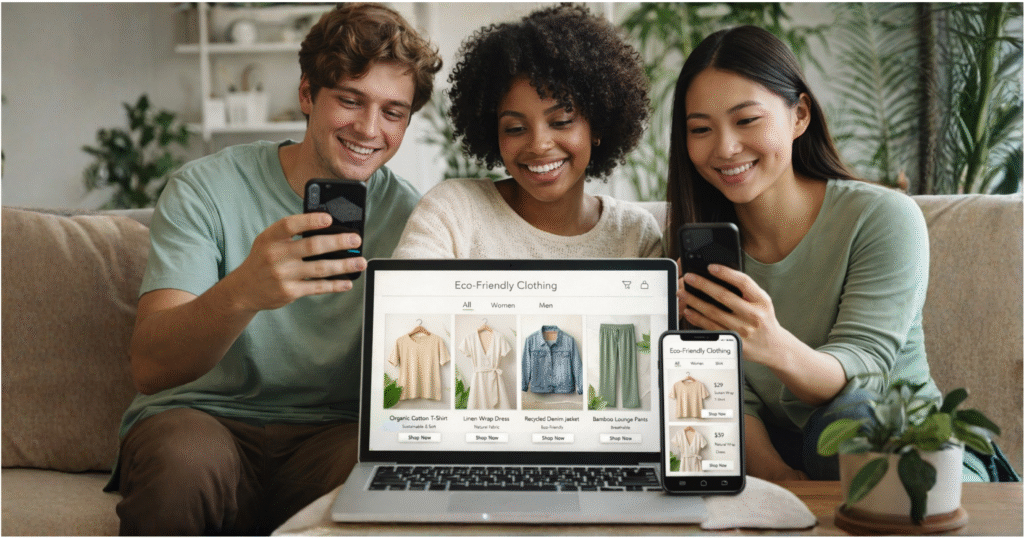
Online retail has become the perfect incubator for sustainable fashion innovation. Without the overhead costs of physical storefronts, digital-first sustainable brands can invest more heavily in ethical production practices, organic materials, and transparent supply chains. The e-commerce model also allows for made-to-order production, significantly reducing the waste associated with unsold inventory that plagues traditional retail.
The reason sustainable fashion is the future of online clothing in the US is partly rooted in the inherent efficiency of digital commerce. Online platforms enable brands to tell their sustainability stories in rich, detailed ways through videos showcasing their manufacturing processes, infographics explaining their environmental impact metrics, and direct connections between consumers and the artisans who craft their garments. This transparency builds trust and loyalty in ways that traditional retail never could.
Moreover, the data-driven nature of e-commerce allows sustainable brands to predict demand more accurately, produce accordingly, and minimize waste. Advanced algorithms can analyze purchasing patterns, helping brands understand what customers actually want rather than gambling on trends that may never materialize.
The Economics of Conscious Consumption
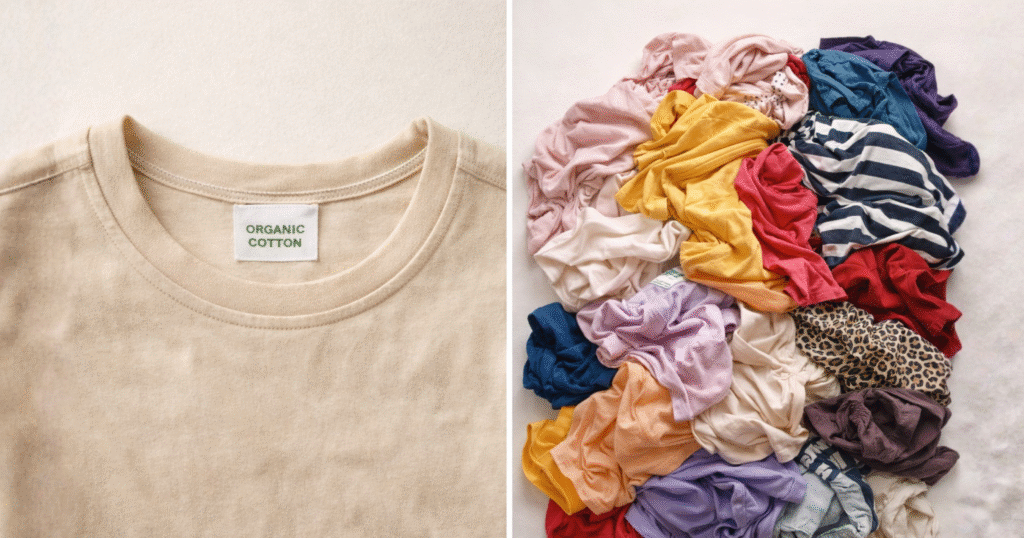
Critics often argue that sustainable fashion is a luxury reserved for the wealthy, but this narrative is rapidly changing in the online space. While sustainable garments typically cost more upfront due to quality materials and ethical labor practices, the true cost per wear is often lower than fast fashion alternatives. A well-made organic cotton t-shirt that lasts five years represents better value than five cheap shirts that deteriorate after a season.
Online sustainable fashion retailers are also pioneering innovative business models that make conscious consumption more accessible. Rental platforms allow consumers to wear designer sustainable pieces for a fraction of the purchase price. Resale marketplaces extend the lifecycle of garments, keeping them in circulation longer. Subscription services curate sustainable wardrobes based on personal style preferences, eliminating impulse purchases and decision fatigue.
This economic evolution demonstrates why sustainable fashion is the future of online clothing in the US. It’s not just an environmental imperative but increasingly a smart financial choice for consumers who are learning to value quality over quantity.
Technology Meets Sustainability

The intersection of technology and sustainable fashion is producing remarkable innovations. Blockchain technology is enabling unprecedented supply chain transparency, allowing consumers to trace a garment’s journey from raw material to finished product. Artificial intelligence is helping brands optimize fabric cutting to minimize waste, while 3D design tools reduce the need for physical samples during the development process.
Online platforms are also leveraging augmented reality to reduce return rates, one of e-commerce’s biggest sustainability challenges. Virtual try-on features help customers make better purchasing decisions, decreasing the environmental impact of shipping items back and forth. Some brands are even experimenting with digital fashion, creating virtual garments for social media and gaming platforms that require zero physical resources.
These technological advancements underscore why sustainable fashion is the future of online clothing in the US. The digital realm offers tools for addressing sustainability challenges that brick-and-mortar retail simply cannot match.
The Power of Community and Education

Online sustainable fashion brands are building communities, not just customer bases. Through social media, blogs, and email newsletters, these brands educate consumers about the true cost of fast fashion and empower them to make informed choices. This educational component is transforming shopping from a mindless transaction into a meaningful act of environmental stewardship.
The digital space allows for peer-to-peer influence in unprecedented ways. When influencers and everyday consumers share their sustainable fashion journeys online, they normalize conscious consumption and inspire others to follow suit. User-generated content showcasing styling tips for sustainable pieces or creative ways to extend a garment’s life creates a virtuous cycle of engagement and awareness.
Understanding why sustainable fashion is the future of online clothing in the US means recognizing the power of collective action. Every purchase becomes a vote for the kind of fashion industry we want to see, and online platforms amplify these individual choices into a movement for systemic change.
The Regulatory Tailwind
Government regulations are increasingly supporting the shift toward sustainability. While federal legislation in the US has been slower than in Europe, individual states are taking action. California’s textile recycling law and New York’s Fashion Sustainability and Social Accountability Act signal growing political will to address fashion’s environmental impact. These regulations will disproportionately affect traditional retailers with massive inventories, giving nimble online sustainable brands a competitive advantage.
Corporate sustainability reporting requirements are also becoming more stringent, forcing all fashion companies to measure and disclose their environmental impact. Online brands that have built sustainability into their DNA from day one will find compliance far easier than legacy companies attempting to retrofit unsustainable business models.
The Inevitable Transformation

The convergence of environmental urgency, economic incentives, technological innovation, consumer demand, and regulatory pressure makes one thing clear: sustainable fashion is the future of online clothing in the US. This isn’t wishful thinking or marketing hype. It’s an inevitable evolution driven by forces too powerful to ignore.
The American fashion consumer is at a crossroads. The convenience of online shopping meets the consciousness of a generation determined to leave a healthier planet for future generations. Every click, every purchase, every share contributes to either perpetuating a broken system or building a better alternative.
As we look ahead, the question isn’t whether sustainable fashion will dominate online retail, but how quickly we’ll get there and who will lead the way. The brands investing in sustainable practices today aren’t just doing the right thing. They’re positioning themselves for long-term success in a market that increasingly rewards environmental responsibility. For American consumers scrolling through their favorite online stores, the message is clear: the future of fashion is sustainable, and that future is now.